Innovative Control Panels for Process Water Management
- aqualogiccontrols
- May 26
- 4 min read
Water is a vital resource that plays a crucial role in various industries, from agriculture to manufacturing. As the demand for clean and efficient water management systems increases, innovative control panels are emerging as essential tools for process water management. These panels not only enhance operational efficiency but also contribute to sustainability efforts by optimizing water usage and reducing waste. In this blog post, we will explore the features, benefits, and examples of innovative control panels in the realm of process water management.

Understanding Process Water Management
Process water management refers to the systematic approach to managing water used in industrial processes. This includes the treatment, recycling, and monitoring of water to ensure it meets the necessary quality standards for various applications. Effective management of process water is essential for:
Compliance: Meeting regulatory requirements for water quality and discharge.
Cost Reduction: Minimizing water consumption and treatment costs.
Sustainability: Reducing environmental impact through efficient water use.
The Role of Control Panels
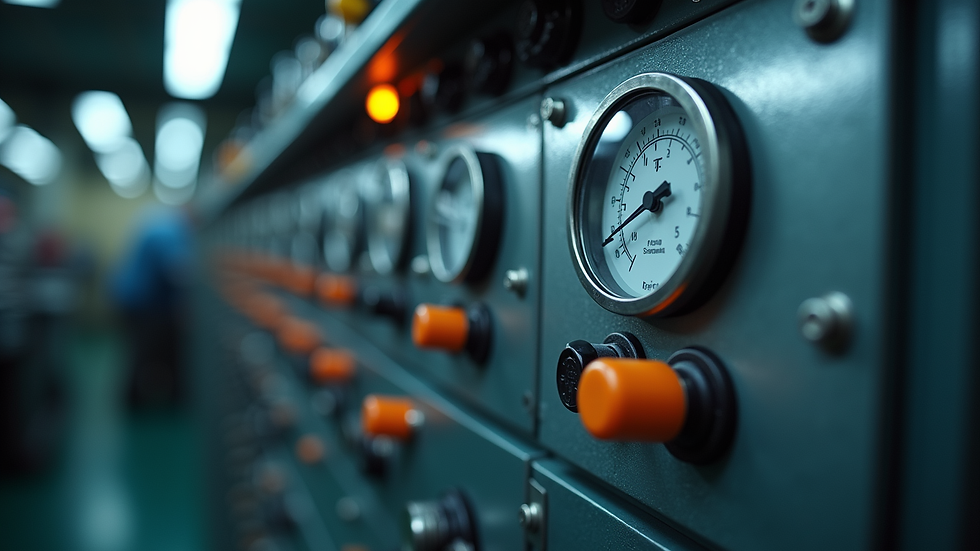
Control panels serve as the nerve center for process water management systems. They allow operators to monitor, control, and optimize water usage in real-time. Key functions of control panels include:
Data Visualization: Displaying critical metrics such as flow rates, water quality parameters, and system status.
Automation: Enabling automated processes for water treatment and distribution.
Alerts and Notifications: Providing real-time alerts for any anomalies or maintenance needs.
Features of Innovative Control Panels
Modern control panels for process water management come equipped with a range of features designed to enhance functionality and user experience. Here are some notable features:
User-Friendly Interfaces
Innovative control panels often feature intuitive interfaces that allow operators to easily navigate through various functions. Touchscreen displays, customizable dashboards, and graphical representations of data make it easier for users to understand complex information at a glance.
Remote Monitoring and Control
With advancements in technology, many control panels now offer remote monitoring capabilities. This allows operators to access system data and control processes from anywhere, using smartphones or tablets. Remote access enhances flexibility and enables quick responses to any issues that may arise.
Integration with IoT
The Internet of Things (IoT) has revolutionized the way control panels operate. By integrating IoT sensors, control panels can collect real-time data on water quality, flow rates, and system performance. This data can be analyzed to identify trends, optimize processes, and predict maintenance needs.
Advanced Analytics
Innovative control panels often come with built-in analytics tools that provide insights into water usage patterns and system performance. These analytics can help operators make informed decisions about water management strategies, leading to improved efficiency and reduced costs.
Benefits of Using Innovative Control Panels
Implementing innovative control panels in process water management offers numerous benefits:
Enhanced Efficiency
By automating processes and providing real-time data, control panels help streamline operations. This leads to faster decision-making and improved efficiency in water management.
Cost Savings
Efficient water management reduces operational costs associated with water treatment and consumption. Control panels enable better tracking of water usage, allowing organizations to identify areas for improvement and implement cost-saving measures.
Improved Compliance
Control panels help organizations maintain compliance with regulatory standards by providing accurate monitoring and reporting of water quality data. This reduces the risk of penalties and enhances overall accountability.
Sustainability
By optimizing water usage and minimizing waste, innovative control panels contribute to sustainability efforts. Organizations can reduce their environmental footprint while ensuring that they meet their operational needs.
Real-World Examples of Innovative Control Panels
Several industries have successfully implemented innovative control panels for process water management. Here are a few examples:
Agriculture
In agriculture, control panels are used to manage irrigation systems efficiently. For instance, a smart irrigation control panel can monitor soil moisture levels and weather conditions to optimize water usage. This not only conserves water but also enhances crop yield.
Manufacturing
Manufacturing facilities often use control panels to manage water used in production processes. For example, a beverage manufacturer implemented a control panel that monitors water quality and flow rates in real-time. This allowed them to reduce water consumption by 20% while maintaining product quality.
Wastewater Treatment
Control panels play a critical role in wastewater treatment plants. They monitor various parameters such as pH levels, turbidity, and chemical dosing. An innovative control panel in a wastewater treatment facility enabled remote monitoring and automated adjustments, resulting in a 30% reduction in chemical usage.
Future Trends in Control Panels for Process Water Management
As technology continues to evolve, the future of control panels for process water management looks promising. Here are some trends to watch for:
Increased Automation
The trend towards automation is expected to grow, with more control panels incorporating advanced algorithms and machine learning capabilities. This will enable even greater efficiency and accuracy in water management processes.
Enhanced Data Security
With the rise of IoT and remote monitoring, data security will become increasingly important. Future control panels will likely include advanced security features to protect sensitive data and ensure compliance with regulations.
Greater Customization
As industries have unique water management needs, control panels will become more customizable. Users will be able to tailor dashboards, alerts, and analytics to suit their specific requirements.
Conclusion
Innovative control panels are transforming the landscape of process water management. By enhancing efficiency, reducing costs, and promoting sustainability, these tools are essential for organizations looking to optimize their water usage. As technology continues to advance, we can expect even more improvements in control panel capabilities, making them an indispensable asset in the quest for effective water management.
By embracing these innovations, industries can not only meet their operational needs but also contribute to a more sustainable future. If you are involved in water management, consider exploring the latest control panel technologies to enhance your processes and achieve your sustainability goals.

Comments